
Black Mold Removal
Dark growth on drywall, paper, or wood. We contain the area, remove the wet material, and find the moisture behind it.
Book an inspectionDark spots, a musty smell, or water in the house? Our local mold remediation team contains the growth, removes what is contaminated, and fixes the moisture that caused it.
Results depend on the cause and condition of your property. We give a written quote after inspection.
Send us a message
We reply by email or phone, usually the same day.
Prefer to talk now? Call (720) 443-4222
Mold remediation is the process of finding mold growth, containing it, removing contaminated material, cleaning what can be saved, and fixing the moisture that let it grow. Wiping a stain does not do that.
Mold grows on damp organic material such as drywall paper, wood, insulation, and dust. Its root-like structures reach into porous material, so surface cleaning often removes the visible part and leaves the rest behind. That is why the same spot returns after a few weeks.
The EPA's mold guidance draws a practical line. A small patch of about 10 square feet or less can often be handled by a homeowner once the moisture is fixed. Larger areas, mold inside the HVAC system, and mold linked to sewage or contaminated water usually call for a professional.
Our crews handle the full range of problems, including black mold removal in Denver, basement mold remediation, attic mold removal, bathroom mold removal, ceiling mold removal, and kitchen mold removal.
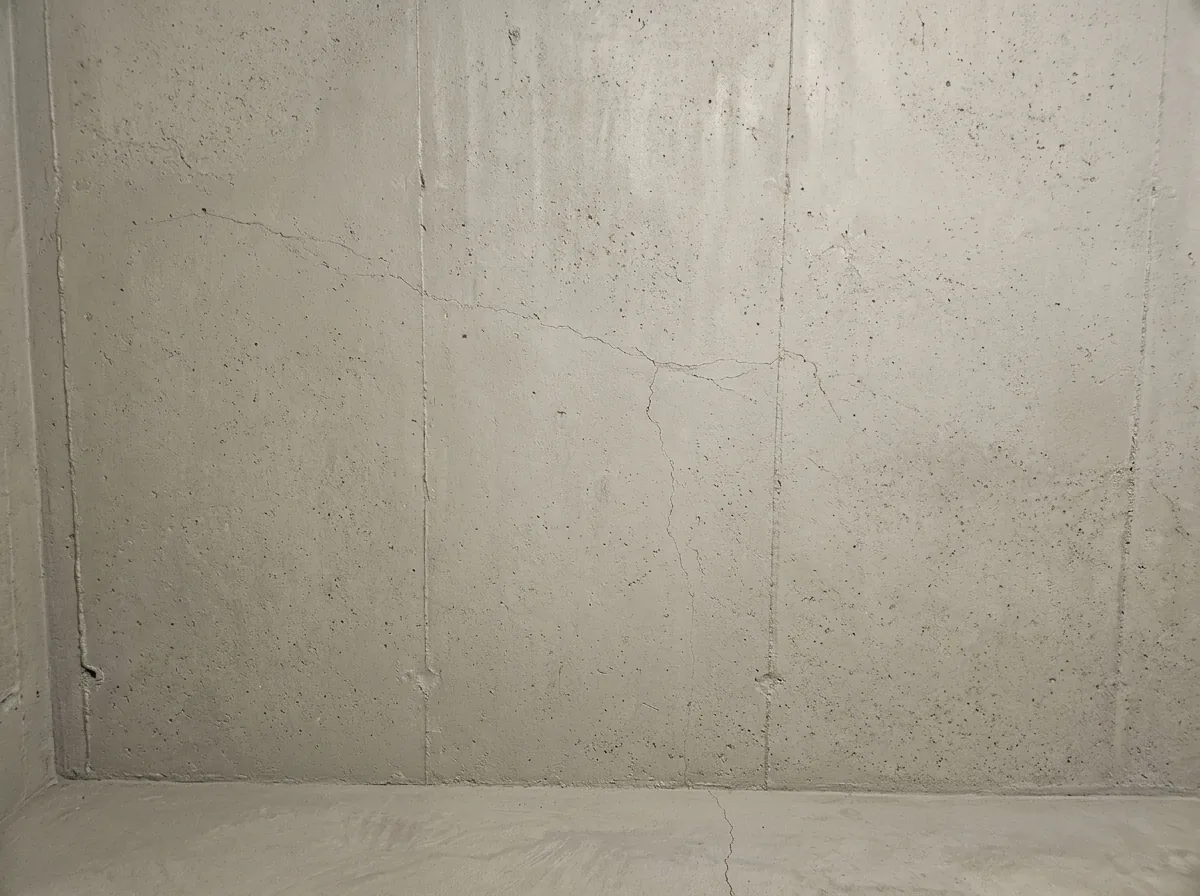
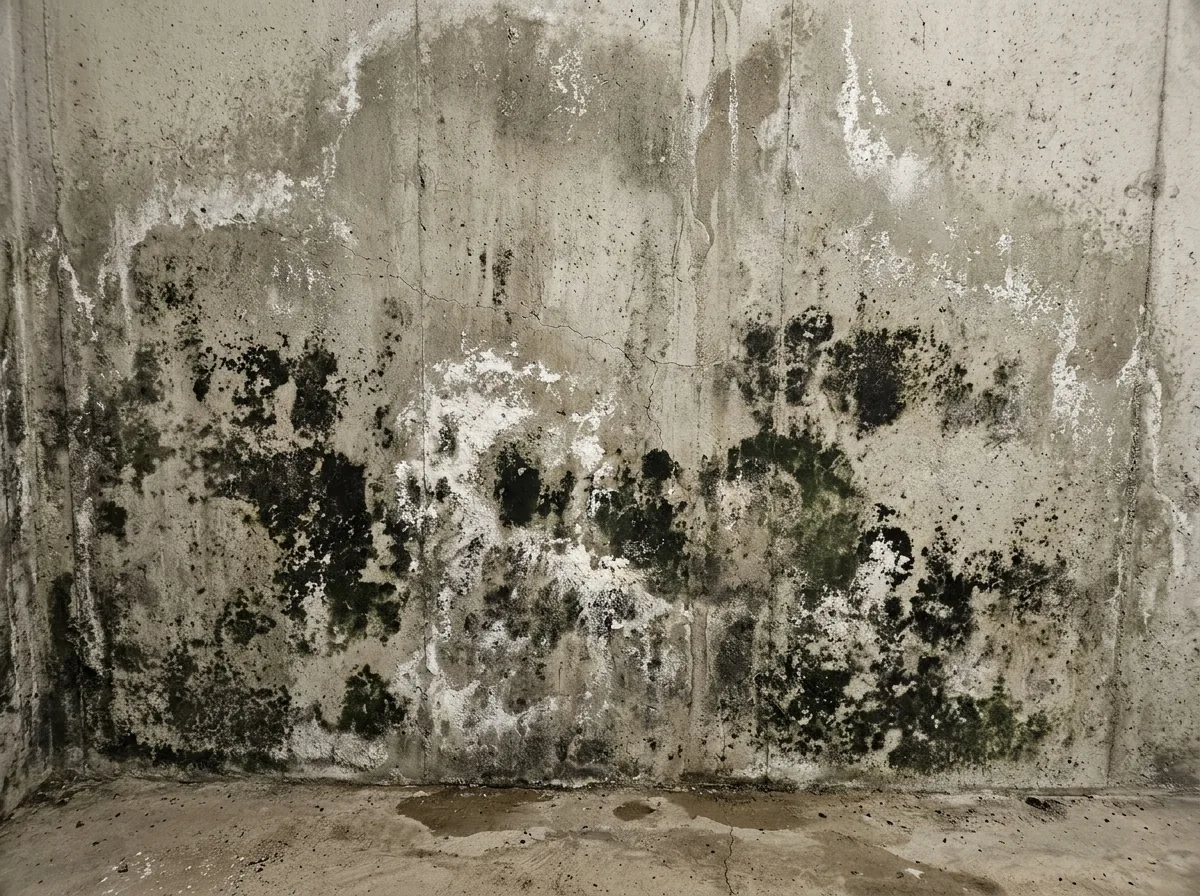
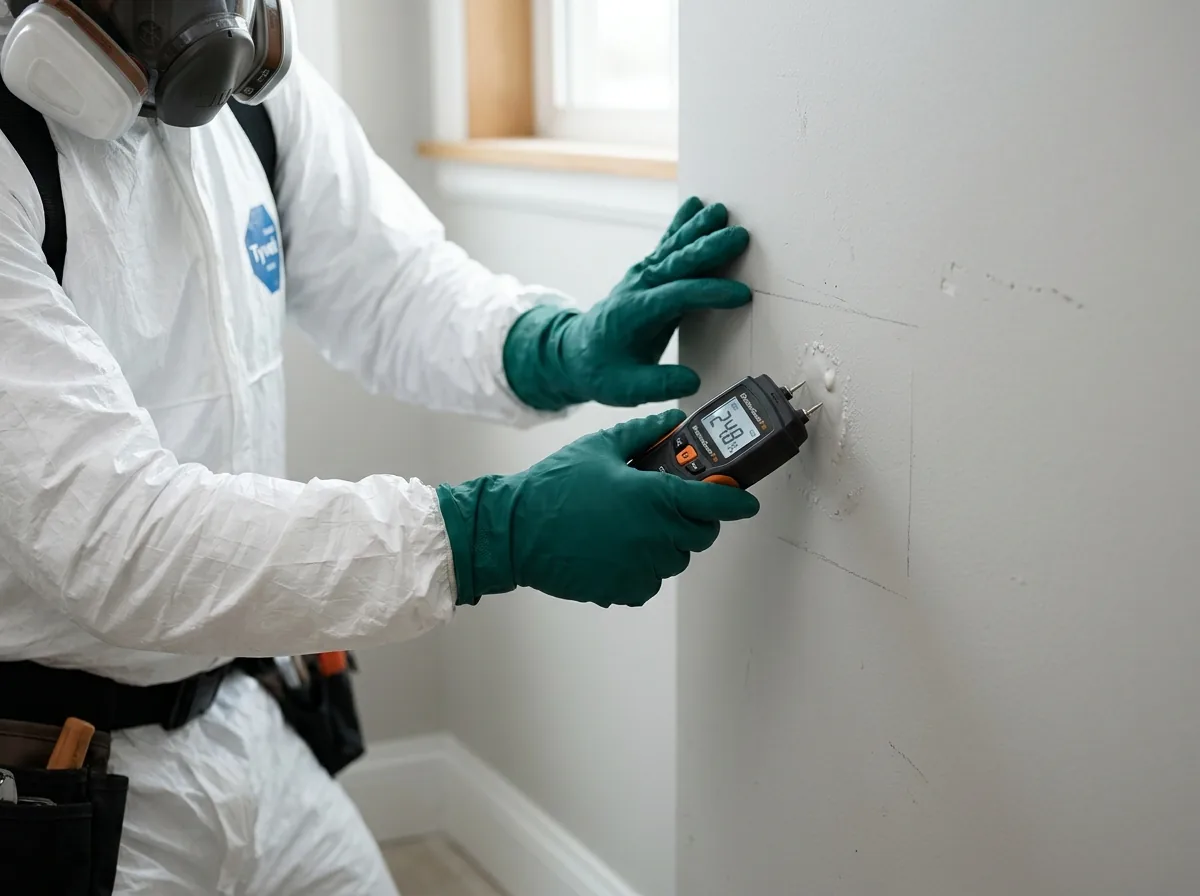
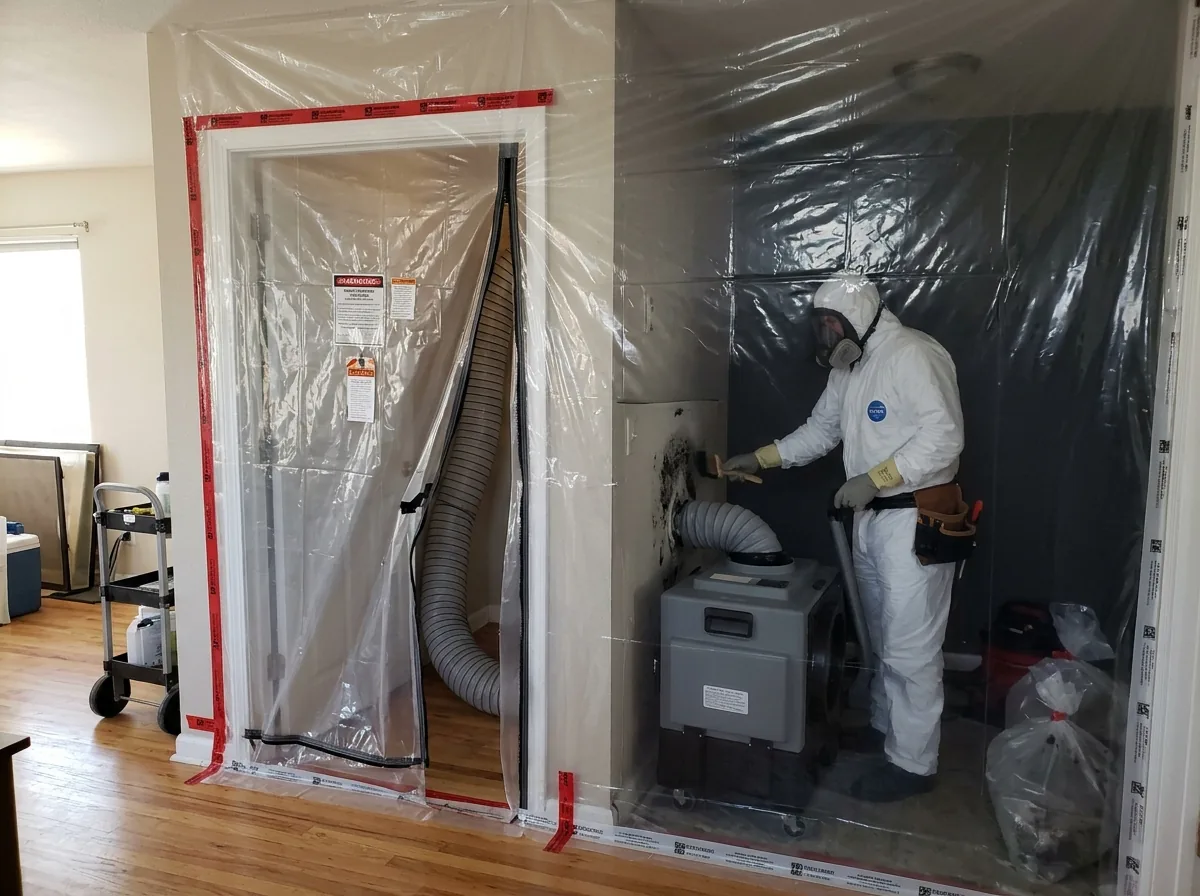
Every job follows the same order: find the moisture, contain the area, then clean and dry. These photos show each stage.
Choose the area that matches what you see. Each service page explains the causes, the steps, and what to expect. Then book an inspection.
Dark growth on drywall, paper, or wood. We contain the area, remove the wet material, and find the moisture behind it.
Book an inspectionDamp basements and foundation walls. We trace the moisture path first, then clean and dry.
Book an inspectionRoof boards and insulation with condensation. We fix ventilation and replace wet insulation.
Book an inspectionGrout, caulk, and walls behind tile, often linked to a weak exhaust fan.
Book an inspectionStains and spotting from a leak above. We trace the leak, then repair the ceiling.
Book an inspectionGrowth under sinks and in cabinet bases, usually from a slow leak or a dishwasher line.
Book an inspectionDescribe what you see or smell, and we will recommend the right service. Call or send a message to schedule an inspection.
Our crews work across Denver, with a focus on the neighborhoods below. Older homes in these areas often have basements, crawl spaces, and attics that hold moisture, so each page explains what to look for locally.
Drag each slider to compare the condition before and after our work.
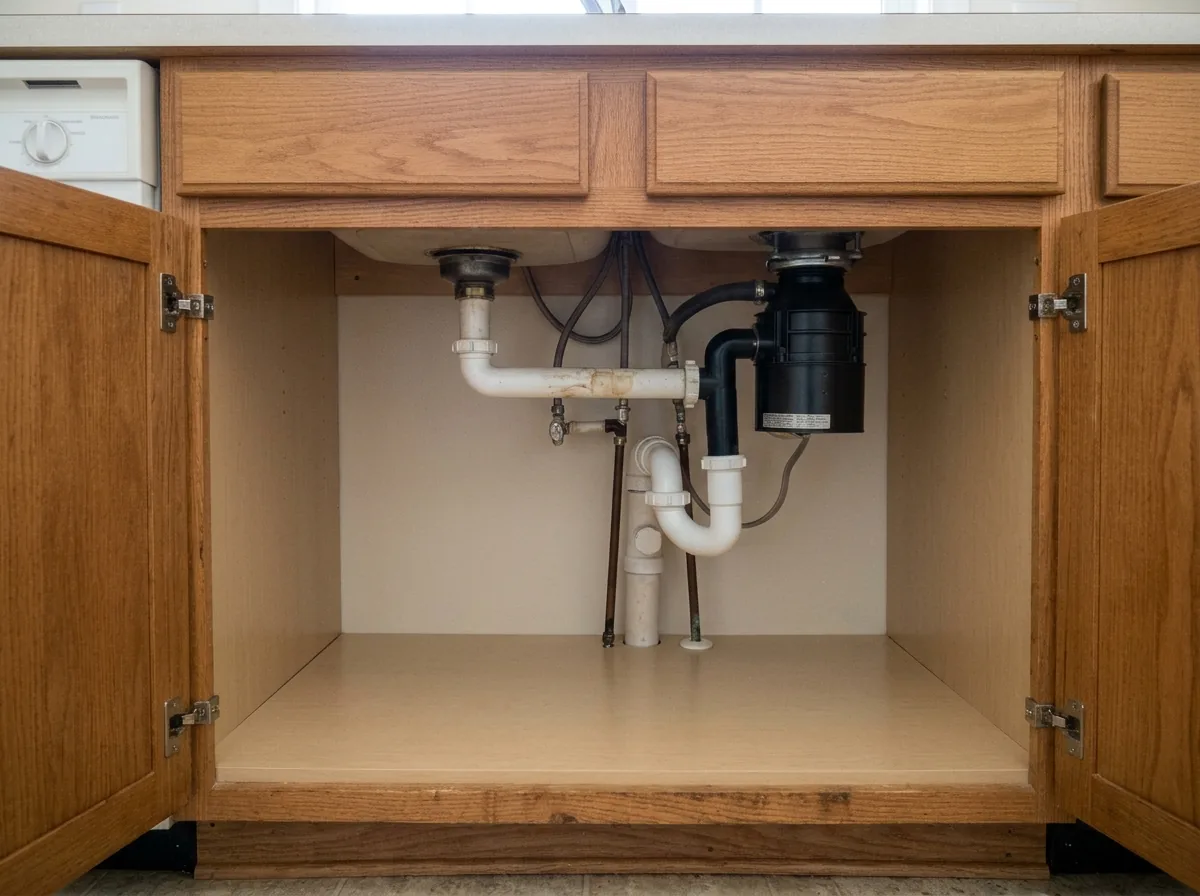
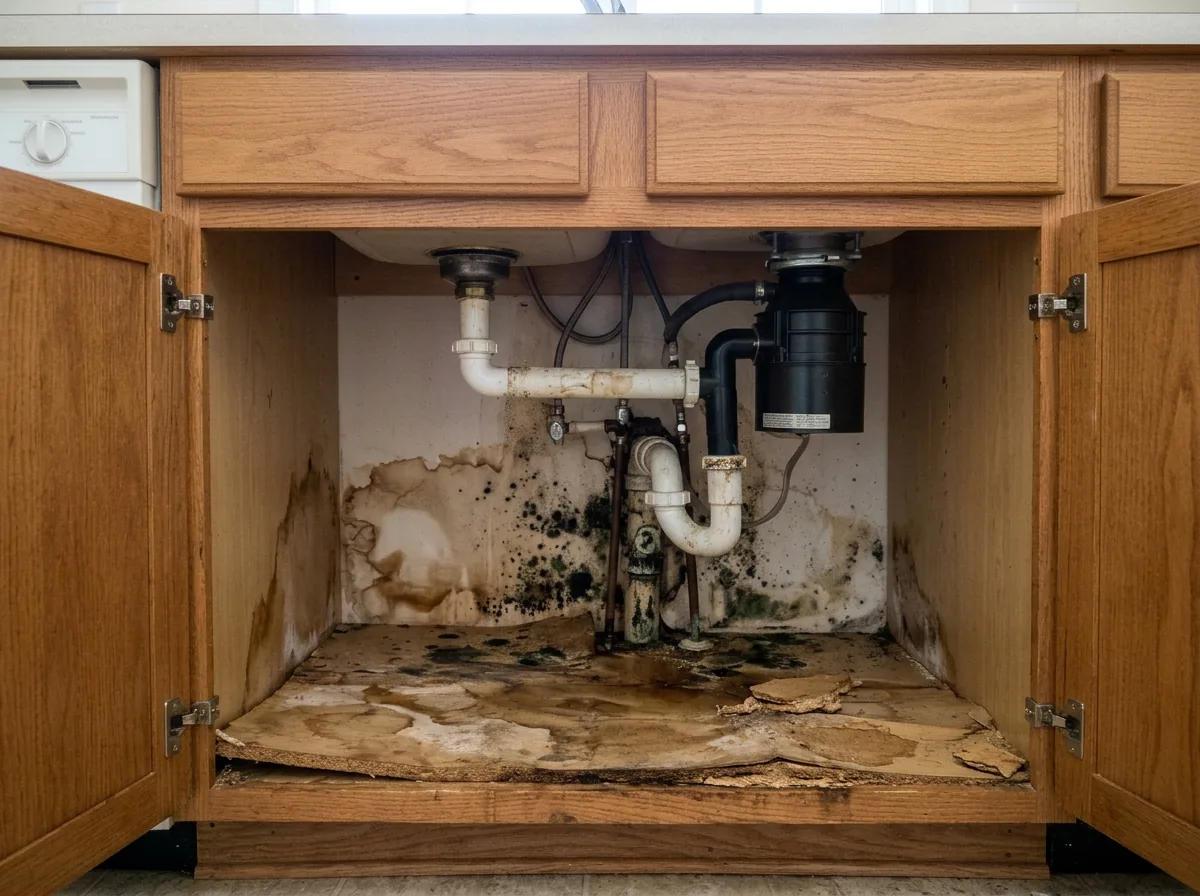
Water from a slow leak under the sink soaked the cabinet floor and back panel, and mold grew on the wood and wall. The panel was removed, the wall was cleaned and dried, and the leak was repaired.
Mold grew along the lower section of a basement wall where moisture moved through the masonry. The surface was cleaned, the wall was dried to normal readings, and the moisture path was addressed.
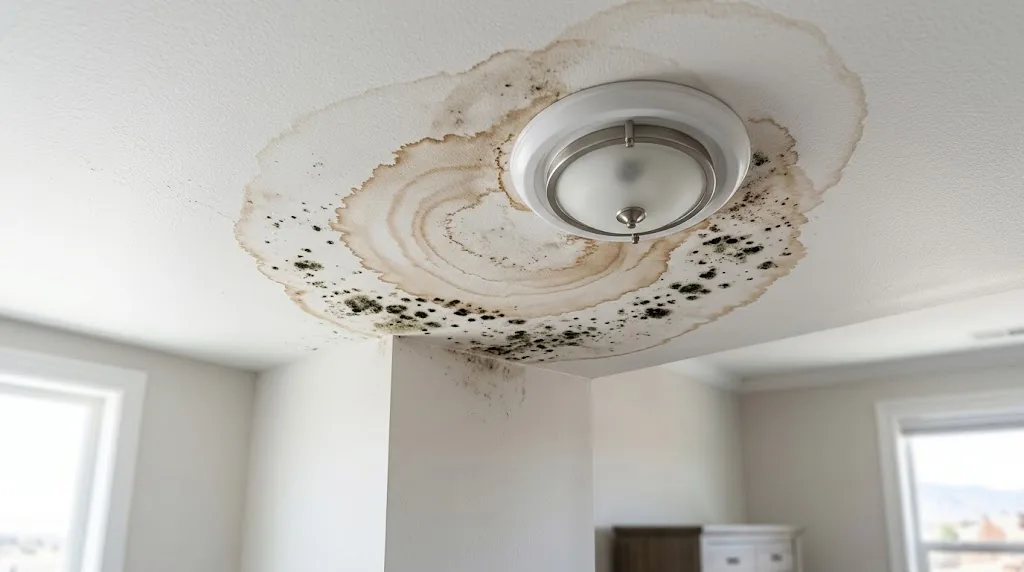
A water stain on the ceiling had mold spots along its edge. The area was contained, the damaged drywall was removed, the framing was dried, and the ceiling was repaired.
Pick the closest match. Each option links to the service that handles that problem. If you are unsure, call and describe what you see.
Mold needs food, spores, and moisture. Paper, wood, and dust are everywhere, and spores are in the air. Water is the part you control, and it is almost always the reason growth returns.
Leaks in pipes or roofs, condensation on cold walls, poor bath and kitchen ventilation, and seepage through basement walls all keep materials wet long enough for growth.
A thorough check reads moisture in walls and framing, looks for the water path, and maps the affected area before any demolition begins.
The work area is sealed, wet material is removed, and surfaces are cleaned and dried. The water source is repaired, so the same spot does not come back.
Every job follows the same logic: confirm the scope, control the spread, remove what is contaminated, verify the result, and fix the cause. Here is what that looks like from your side.

Ask for the scope and the moisture fix in writing before work starts.
Tell us where you see growth, what you smell, and whether there has been a leak or flood. We will schedule an inspection.
The technician checks visible growth, suspect materials, and likely moisture paths, then records readings and photos.
The work area is sealed, and contaminated materials are removed and bagged. Air is managed so spores do not spread to clean rooms.
Salvageable surfaces are cleaned and dried to dry-standard readings. A final check confirms that the work area is ready to close.
The cause is corrected, and any rebuilt surfaces are finished. Keep your inspection report and photos for future reference.
Call or send a message. We note where the problem is and what you are seeing, then book a site inspection.
Our crew visits, takes moisture readings, and gives you a written quote. Nothing starts until you approve the scope.
We explain each step before we begin, and we keep you updated until the area is cleaned, dried, and repaired.
Inspection, containment, removal, cleaning and drying, then repair of the moisture source. Each stage is written up so you know what was done and why.
Visible staining, fuzzy or speckled growth, and a persistent musty odor near a damp area all point to mold. Odor alone can mean hidden growth behind walls or under flooring, so a moisture check is worth doing.
EPA guidance says small areas of about 10 square feet or less can often be handled by homeowners once the moisture source is fixed. Larger areas, HVAC mold, or mold tied to sewage or contaminated water generally call for a professional.
All mold can cause problems for sensitive people. Black mold is not automatically more dangerous, but its presence means prolonged moisture. The moisture source and the removal plan matter more than the color.
Bleach can lighten staining on hard surfaces, but it does not reliably reach mold rooted in drywall or wood. Removing the affected material is usually the correct step.
Mold returns when the moisture source is not fixed. Common sources include leaks, condensation on cold surfaces, poor ventilation, and humidity in basements and crawl spaces.
Tell us where the problem is and what you see or smell. We reply by email or phone.
Short notes on moisture, ventilation, and cleanup. Unsubscribe at any time.